

Best Nail Art Tools for Professionals in 2026
Table of Contents
- Quick Comparison: Best Nail Art Tools for Professionals
- How to Choose Professional Nail Art Tools That Last
- Essential Nail Tech Equipment List for Every Station
- Building a Professional Nail Art Brush Set
- How to Clean Nail Art Brushes Without Damaging Bristles
- Sanitization and Sterilization Protocols for Nail Tools
- Tool Longevity and Replacement Cycles
- Conclusion
- Frequently Asked Questions
Last Updated: October 4, 2026
Quick Comparison: Best Nail Art Tools for Professionals
The best nail art tools for professionals hold their edge through back-to-back clients, not the prettiest packaging. At Hotlines Beauty, we stock what working techs in Roy actually reorder: precision brushes, titanium nippers, and lamps that cure gel polish the first time. This guide covers the tools worth your station space, what they cost, and how to keep them sanitary and sharp.
Building or rebuilding a station? Buy fewer tools, but buy professional grade. A cheap liner brush frays in three weeks; a cheap e-file stalls mid-shaping and burns the client.
| Tool | Price | Best For | Key Spec |
|---|---|---|---|
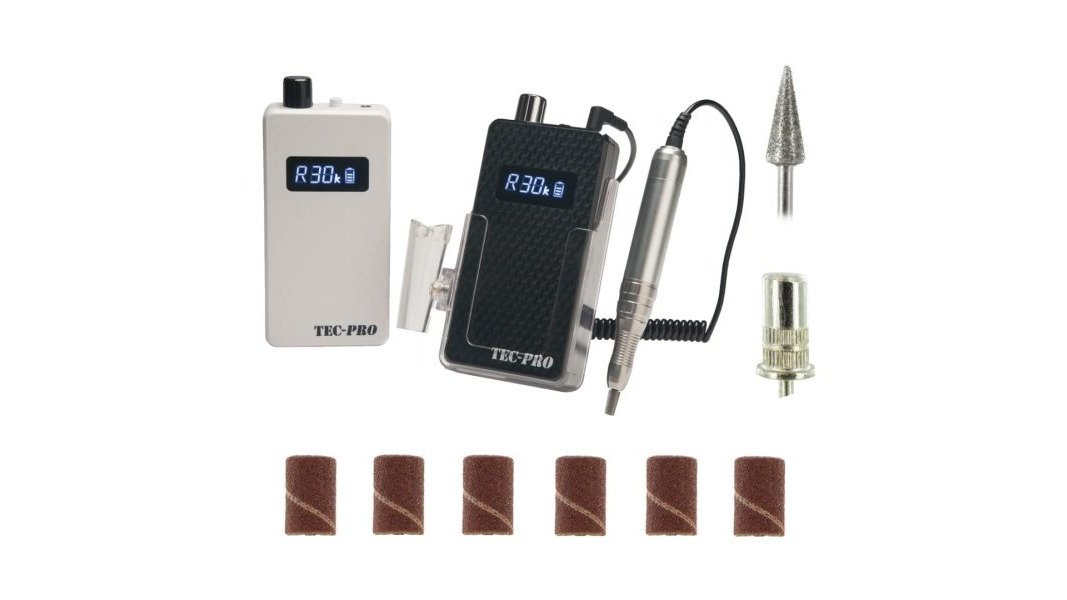
| Tec-Pro E-File | $240.00 | Acrylic removal, shaping, cuticle work | 3,500 RPM, 12-hour charge |
| Sofgel Round Gel Brush | $14.00 | Potted gel color, full-color application | PBT fibers, wooden handle |
| Sofgel Art Brushes | $14.00 | Straight liner work, fine detail | Acetone-resistant handle |
| Young Nails Striper Art Brush | $12.00 | Stripes, outlines, French manicure tips | Fine striping tip |
| Kokoist Markers Line (White/Black) | $11.00 each | Fine lines, isolated chrome art | Non-wipe formula |
| Cuticle Nippers | $12.00 | Cuticle trimming, precision tips | Titanium-coated stainless steel |
| Luminary Cuticle Pusher | $16.95 | Nail prep, product removal | Double-sided |
| Stamping Pad Set | $12.00 | Nail stamping, design plates | Stamper head plus pads |
| Tammy Taylor Nail Forms | $19.00 | Acrylic sculpting, nail extensions | Gold, white, black fits |
How to Choose Professional Nail Art Tools That Last
Material quality decides whether a tool lasts a season or a career. What matters most: what the working end is made of, and how the handle sits in your hand during a two-hour appointment.

Material Quality and Grit Levels
Grit level tells you how aggressively a bit or buffer cuts: lower numbers cut harder, higher numbers finish smoother. For a nail e-file, bits handle acrylic removal and bulk shaping, while other bits suit finer work on the natural nail and around the cuticle. The wrong grit damages a client's nail plate fast.
Look for stainless steel and titanium coatings on nippers and pushers: titanium holds a sharp edge longer and resists rust between sanitization cycles. Brushes should use synthetic bristles such as PBT fibers.
Ergonomic Grip and Precision
Ergonomics is not a luxury for a full-time nail technician. It is injury prevention. The tools you grip for six hours a day shape your hands, wrists, and shoulders over time.
A lightweight, low-vibration handpiece keeps your hand steadier and reduces fatigue. The Tec-Pro E-File runs at up to 3,500 RPM with a low-vibration design and a 12-hour battery. Slim, balanced handles on nippers and brushes let you rotate your wrist less during detailed nail design work.
Essential Nail Tech Equipment List for Every Station
A complete essential nail tech equipment list covers six jobs: filing and shaping, cuticle care and prep, gel application and curing, design and detailing, stamping, and cleanup.
Filing and shaping. An e-file with interchangeable carbide and diamond bits handles acrylic removal, shaping, buffing, and cuticle work. Carbide bits cut aggressively for bulk acrylic removal; diamond bits are finer and safer on the natural nail plate.
Cuticle care and nail prep. Cuticle nippers with precision tips trim cleanly instead of pulling, and a double-sided cuticle pusher removes product from the nail bed before application.

Gel application and curing. A UV/LED lamp that cures gel polish fully, plus a base coat and top coat system you trust.
Stamping. A nail stamper with a silicone head, a scraper, and design plates. Clear silicone heads let you see placement through the stamper, while marshmallow-style heads pick up fine line art more reliably.
Cleanup. A cleanup brush for tidying gel around the cuticle before curing, and a dust removal brush for sweeping filing dust off the nail and surrounding skin.
Building a Professional Nail Art Brush Set
Round gel brush. Your workhorse for potted gel color and full-color application. The Sofgel Round Gel Brush uses PBT fibers with a wooden handle and gunmetal cap, and works with jar-style gel systems.
Flat or oval brush. For one-stroke painting, color fading, and covering larger areas quickly.
Liner and striper. For straight lines, outlines, and French manicure tips. The Young Nails Striper Art Brush is built for clean, fine stripes.
Detail brush. For fine line work, isolated chrome art, and tiny florals. It is shorter-bristled than a liner, giving you more control for tight curves and dots.
Cleanup brush. A small flat or angled brush for tidying gel around the cuticle and sidewalls before curing.
Nail art pens. For fine detail and isolated chrome art, nail art pens like the Kokoist Markers Line in white and black use a non-wipe formula that lets chrome powder adhere firmly.

Synthetic vs. Natural Bristles
Most professional nail art brushes use synthetic fibers such as PBT (polybutylene terephthalate) or taklon. Synthetic bristles do not absorb product into the shaft, and are easier to sanitize between clients. Natural hair brushes, kolinsky sable being the classic example, hold more liquid and release it more smoothly, which is why they are prized in acrylic application and one-stroke painting. The trade-off: natural hair costs more, degrades faster with solvent exposure, and cannot be fully disinfected between clients. For gel systems, synthetic is the practical choice.
How to Clean Nail Art Brushes Without Damaging Bristles
Knowing how to clean nail art brushes properly separates a brush that lasts months from one that frays in weeks.
- Wipe excess product on a lint-free pad while the gel is still wet.
- Dip the bristles in the correct solvent for the product (brush cleaner or acetone for gel systems).
- Work the solvent through the bristles with a light circular motion on a pad. Never press down hard or splay the bristles.
- Reshape the brush to its original point while damp.
- Lay it flat or store it tip-up in a covered holder. Never store a wet brush bristle-down.
Acetone-resistant handles matter here, because repeated solvent exposure degrades cheap handles and loosens the ferrule. If a brush starts shedding bristles, retire it.
Sanitization and Sterilization Protocols for Nail Tools
Sanitization and sterilization are not the same thing, and mixing them up is a health risk. Sanitization reduces germs on a surface; sterilization destroys all microorganisms, including spores. Tools that contact broken skin or blood need sterilization, not a wipe-down.
The practical workflow for a working station:
- Between clients: scrub reusable metal implements with soap and water to remove debris, then disinfect with an EPA-registered hospital-grade disinfectant following the contact time on the label.
- Porous items: files, buffers, and porous materials cannot be fully disinfected. Use them on one client only, or use disposable versions.
- Sterilization: for nippers and tools used on broken skin, use an autoclave or a licensed sterilization service. CDC guidance on nail salon hygiene and disinfection
- Hand hygiene: wash hands before and after every client and between glove changes.
Dust removal matters too. Run an extraction system or a vacuum at the e-file, and clean the station surface between clients. OSHA bloodborne pathogens standard for personal service workers sets the baseline for exposure control in settings where skin can be broken.
Tool Longevity and Replacement Cycles
Every tool has a lifespan, and knowing when to replace it protects your work and your client relationships.
| Tool | Typical Replacement Trigger | Why It Matters |
|---|---|---|
| Carbide/diamond bits | Cutting slows or the bit dulls | Dull bits generate heat |
| Cuticle nippers | Blades stop meeting cleanly | Dull blades pull instead of cut |
| Art brushes | Bristles splay or shed | Splayed bristles ruin fine lines and detail |
| Stamper head | Surface becomes cloudy or stops picking up | Poor pickup means uneven stamped designs |
| E-file handpiece | Vibration increases or it stalls | Excess vibration reduces precision and comfort |
| UV/LED lamp | Cure times lengthen or gel stays tacky | Under-cured gel polish lifts |
Bits are the fastest turnover item on the list: rotate, inspect, and replace them the moment cutting performance drops. Nippers last years with proper care, but a single drop on a hard floor can misalign the blades.
Conclusion
Keeping a station stocked with tools that last is an ongoing cost, and cheap replacements every few weeks add up faster than buying professional grade once. Hotlines Beauty carries the brushes, nippers, e-files, stamping supplies, and nail forms that hold up to a full appointment book, including brands like Kokoist, Sofgel, and Tammy Taylor. We offer free local delivery on qualifying orders, so restocking between clients does not mean closing the salon for an afternoon. Browse the catalog and build a station that works as hard as you do.
Frequently Asked Questions
What tools do professional nail artists use for intricate designs?
Intricate nail designs rely on a few precision tools. A fine liner or striper brush creates clean, thin lines for details like French manicure tips and geometric patterns. Dotting tools in varying sizes produce perfect circles and floral centers. Nail art pens offer controlled application for chrome and line work. A quality gel brush handles base and top coat application with an even finish. Pair these with a nail stamper and design plates for repeatable patterns, and you have a complete kit for detailed work.
How do you choose high-quality nail art brushes?
Look for synthetic bristles like PBT fibers, which hold their shape and resist damage from acetone and gel polish. The handle should be acetone-resistant and comfortable to grip during long sessions. Check that bristles are firmly set in the ferrule with no shedding. A professional nail art brush set should include a liner, striper, and flat or round gel brush at minimum. Brands like Sofgel and Young Nails offer brushes designed specifically for professional use, with precision tips that maintain their shape after repeated cleaning.
What is the difference between beginner and professional nail art tools?
Professional tools are built for durability and repeated sterilization. Beginner kits often use lower-grade materials that degrade quickly with acetone exposure or autoclave cycles. Professional-grade tools like titanium-coated cuticle nippers or carbide and diamond bits for nail e-files maintain their edge and precision through hundreds of uses. Ergonomic grip and low-vibration designs also matter for professionals working back-to-back clients. The investment pays off in consistent results and fewer replacements over time.
Which nail art tools are essential for gel polish designs?
Gel polish work requires a UV or LED curing lamp, a quality gel brush for application, and a cleanup brush for precise edges. An e-file with carbide or diamond bits handles surface prep and removal efficiently. Nail art pens with non-wipe formulas work well for chrome powder adhesion. A cuticle pusher and nippers ensure clean nail prep, which directly affects gel adhesion and wear time. Base coat and top coat applicators should be dedicated tools to avoid contamination.
How often should professional nail tools be replaced?
Replacement cycles depend on the tool and usage volume. Cuticle nippers lose their edge after repeated sharpening and should be replaced when they start pulling rather than cutting cleanly. E-file bits wear down with use, especially carbide bits on acrylic, and typically need replacement every few months in a busy salon. Brushes should be replaced when bristles splay or shed, often every three to six months with proper cleaning. Stamping pads and design plates last longer but should be inspected for scratches that affect image transfer.